

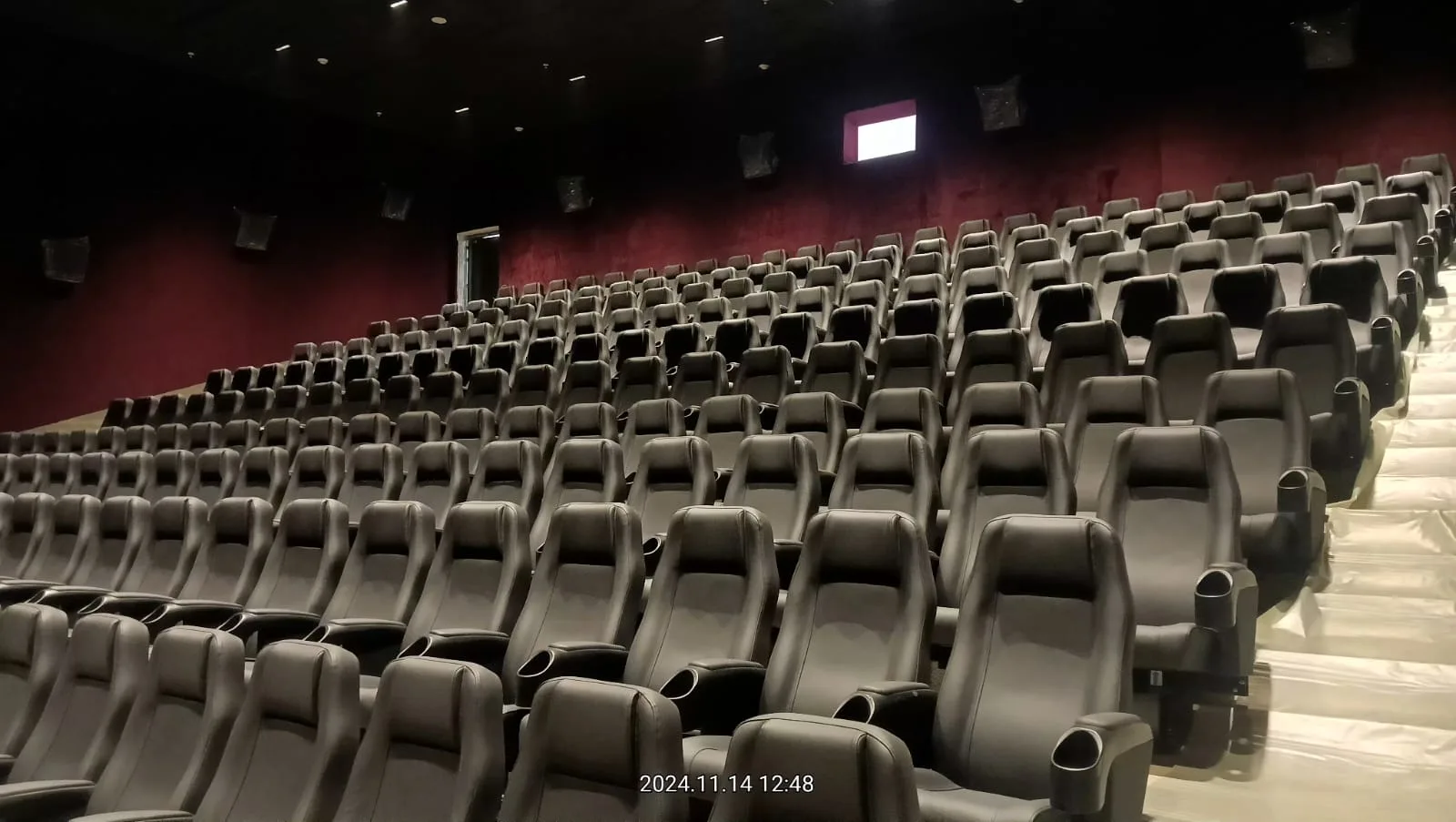
Seating as Spatial Infrastructure
Seating is one of the most underestimated components of built environments. Often perceived as a secondary detail, it is in fact a primary factor in how spaces are used, perceived, and remembered. In professional settings, seating functions as spatial infrastructure rather than a simple furnishing element.
Across different environments, seating shapes movement patterns, defines zones, and influences how people interact with space over time. When approached thoughtfully, it supports both the functional and experiential goals of a project.
Seating Beyond the Object
In well planned spaces, seating is not treated as an isolated object. It is integrated into the overall logic of the environment and contributes to how the space operates on a daily basis.
Effective seating systems help
Organize spatial flow
Support predictable user behavior
Establish visual order
Enhance functional clarity
When seating aligns with spatial intent, it becomes part of the architecture rather than an addition to it.
Human Interaction and Seating Design
The way people sit directly affects how they behave within a space. Seating height, depth, and support influence posture, attention, and duration of use.
From a design perspective, seating must account for
Natural body alignment
Comfort over extended periods
Stability without restriction
Well designed seating allows users to remain engaged without becoming physically aware of the seat itself.
Functional Demands Across Environments
Professional seating solutions are used in a wide range of settings, each with distinct functional requirements. Despite these differences, certain performance expectations remain consistent.
Across applications, seating must provide
Structural reliability
Consistent performance under repeated use
Compatibility with spatial layouts
Quiet and stable operation
These functional demands define seating as a long term system rather than a temporary solution.
Durability as a Core Requirement
In professional environments, seating is subjected to continuous use. Durability is therefore not an optional feature but a fundamental requirement.
Long lasting seating systems are characterized by
Robust internal construction
Materials that retain form over time
Resistance to mechanical fatigue
Predictable performance under load
Durability ensures that seating remains reliable throughout the full lifecycle of the space.
Visual Discipline and Spatial Order
Seating occupies a significant visual footprint within any interior. Its arrangement and form influence how organized or chaotic a space feels.
Visually disciplined seating contributes to
Clean spatial rhythm
Balanced proportions
Reduced visual noise
Rather than drawing attention, effective seating reinforces the intended atmosphere of the environment.
Adaptability and Long Term Relevance
Spaces evolve over time, and seating systems must be able to accommodate changing needs without compromising performance.
Adaptable seating strategies allow spaces to
Support multiple use scenarios
Maintain consistency despite operational changes
Extend functional relevance over years
Adaptability is achieved through planning and structural foresight, not through complexity.
Seating as an Invisible System
The most successful seating solutions are rarely noticed. Their value lies in how seamlessly they support the environment and its users.
When seating functions correctly, it
Enhances spatial efficiency
Supports user comfort without distraction
Preserves the intended use of the space
This invisible contribution defines professional seating at its highest level.
Conclusion
Seating is a foundational element in professional environments, shaping how spaces function and how people experience them. It operates quietly in the background, yet its impact is constant and far reaching.
When seating is designed as spatial infrastructure rather than an isolated product, it becomes a reliable and enduring component of successful environments.
Created By : Monseat